Safeguarding Is Everybody’s Responsibility

Children have a right to be cared for and protected, protecting them is everyone’s responsibility. Here at St John the Baptist RC Primary School, we have a duty of care to ensure that all users of the school are kept safe from harm. We are committed to provide a secure and supportive environment in which children can develop and grow into mature and responsible people. Safeguarding children is an essential part of our holistic approach to ensure that children are protected from abuse and neglect and that every child reaches their full potential.

The best interests of the children will always be our priority. As such, there are times we will need to record, monitor and share information with other agencies. We will share concerns about our pupils with the child’s parents/carers unless we have reason to believe that such a move would not be in the child’s best interest.

We are committed and understand that early help is paramount in supporting families. We have a team of staff who are committed to offering early help in supporting families.

DSL

Mrs Campbell (Headteacher)

Deputy DSLs:

Mrs Robinson

Mrs Smillie

Miss McGuigan

3456387 Page Orig
3456384 Page Orig
3456386 Page Orig

What you can do

Parents and carers play a role in safeguarding children in their community. If you have any concerns, no matter how small, you should report them to someone who you trust will listen. The school is required to have a designated child protection officer for this purpose. Parents and children should speak to the safeguarding officer if they have any concerns about a child or staff member.

If you are concerned about a child or need some support please contact the DSL/Deputy DSL:

Telephone 01706 647195

Should you have any Safeguarding or Child Protection concerns, out of hours or during school holidays the following contacts should be used:

Open weekdays 9am – 4.30pm

Tel: 0300 303 0350

Open weekdays 8.45am – 4.45pm

Tel: 0033 303 0440

Out of hours

Open 16.45 – 8am weekdays, 24 hours during weekends and public holidays.

Tel: 0033 303 8875

0161 856 8067/4559/4558

State you have a child protection concern about a child and where the child lives.

The Police Public Protection and Investigation Unit (PPIU) can also be contacted 8.30am – 5pm

Tel: 01706 925115

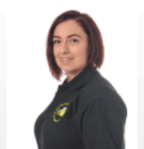
Children are greeted every morning at the gates by our friendly and welcoming pastoral team: Mrs Hodgkinson and Mrs Robinson. They speak to every child on entry to ensure children are happy and ready to learn:

3456236 Page Orig

Name: Mrs Hodgkinson
Role: Pastoral Team

Name: Mrs Robinson
Role: Pastoral Team

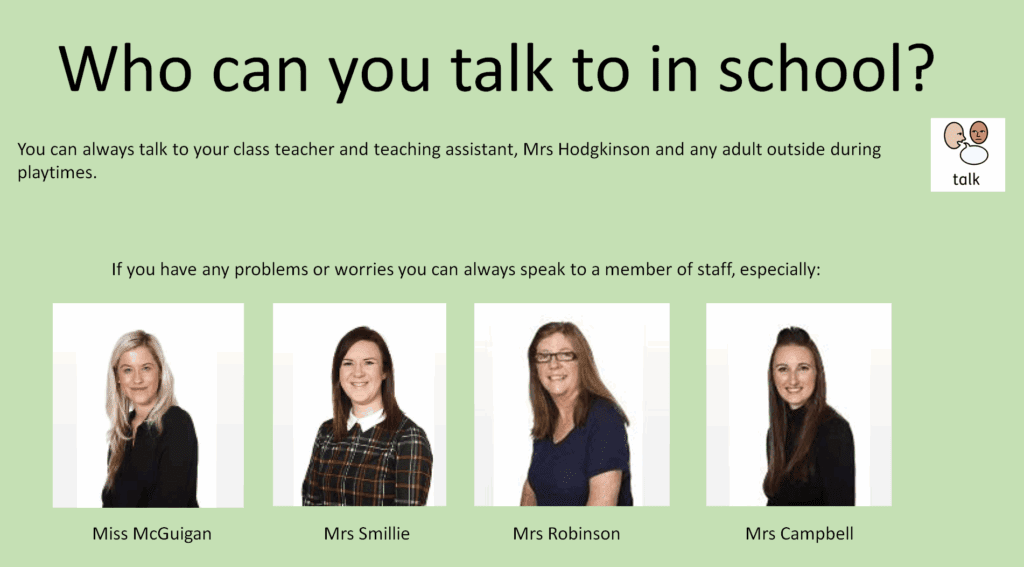
If a child wants to talk to an adult in school, they can speak to their class teacher, teaching assistant, Mrs Robinson, Mrs Hodgkinson or the staff below.

3456244 Page Orig

Name: Mrs Smillie
Role: Assistant Headteacher and KS2 lead

3456239 Page Orig

Name: Miss McGuigan
Role: Assistant Headteacher and EYFS/KS1 lead

3456240 Page Orig

Name: Mrs Campbell
Role: Headteacher

This poster is up in every room in school:

These staff members are all trained to Designated Safeguarding Lead level and ensure that children are safe in school. Mrs Campbell is the named Lead and is responsible for safeguarding and child protection within school, ensuring appropriate procedures are in place and adhered to.

Please see our safeguarding policies here.

All staff and volunteers are required to undertake relevant safeguarding training and this is regularly reviewed by the Headteacher and School Business Manager to ensure it is up to date. A training database for all staff and volunteers is maintained, while training needs are reviewed as part of individual performance reviews and more broadly throughout the organisation by audit.

Staff Member Training Academic Year
Governors Keeping Children Safe in Education

Basic Introduction to Safeguarding

Prevent Training

Safer recruitment

2024-25

2023-24

2023-24

2023-24

Headteacher Keeping Children Safe in Education

Basic Introduction to Safeguarding

Designated Safeguarding Lead training

Prevent Training

Safer recruitment

Domestic Abuse and Violence awareness

What parents need to know about TikTok

What parents need to know about Roblox

What parents need to know about Snapchat

2024-25

2023-24

2024-25

2024-25

2024-25

2024-25

2023-24

2023-24

2023-24

Senior Leaders and Pastoral lead Keeping Children Safe in Education

Basic Introduction to Safeguarding

Prevent Training

2024-25

2023-24

2023-24

Teachers Keeping Children Safe in Education

Basic Introduction to Safeguarding

Prevent Training

2024-25

2023-24

2023-24

Teaching Assistants Keeping Children Safe in Education

Basic Introduction to Safeguarding

Prevent Training

2024-25

2023-24

2023-24

Catering, office and Premises Staff Keeping Children Safe in Education

Basic Introduction to Safeguarding

Prevent Training

2024-25

2023-24

2023-24

Volunteers Keeping Children Safe in Education

Basic Introduction to Safeguarding

Prevent Training

2024-25

2023-24

2023-24

All volunteers have an enhanced DBS and induction to ensure they understand and follow our processes and procedures in keeping children safe.

St John the Baptist RC Primary School meets statutory requirements in relation to Disclosure & Barring Service – all staff and volunteers who work with St John the Baptist RC Primary School who meet the ‘regulated activity test’ (Freedoms Act 2012) are required to undergo an enhanced DBS check prior to employment or volunteering.

“Prevent” is one of the four elements of CONTEST, the government’s counter-terrorism strategy. It aims to stop people becoming terrorists or supporting terrorism.

The Prevent strategy:

  • Responds to the ideological challenge faced from terrorism and aspects of extremism, and the threat faced from those who promote these views.
  • Provides practical help to prevent people from being drawn into terrorism.
  • Works across all sectors of the community where there are risks of radicalisation that need to be dealt with.

The strategy covers all forms of terrorism, including far right extremism and some aspects of non-violent extremism.

For any concerns around violent extremism, for both adults and children, contact Greater Manchester Police on 0161 856 1030.

For information on training on Prevent, please contact Greater Manchester Police on 0161 856 6345

Radicalisation Referral Form

Seven Minute Briefing – Preventing Radicalisation

Home Office e-learning – introductory training on Prevent

Educate Against Hate

Also see – http://educateagainsthate.com/

All staff and volunteers are trained in Prevent.

How does the Prevent strategy apply to schools and parents?

From July 2015 all schools have a duty to safeguard children from radicalisation and extremism.

This means we have a responsibility to protect children from extremist and violent views the same way we protect them from drugs or gang violence.

The Prevent strategy is not just about discussing extremism itself, which may not be appropriate for younger children. However, it is about teaching children values such as tolerance and mutual respect.

Importantly, we can provide a safe place for pupils to discuss any issues so they better understand how to protect themselves.

Children are spending more time than ever on social media and gaming platforms so it is no surprise that online grooming by extremists is on the rise. Young people are especially being targeted by groups and individuals promoting violence and hatred.

Helping your child be digitally savvy and knowing the signs of radicalisation will help keep them safe and protect them from potential risks.

Netmums have partnered with Counter Terrorism Policing to highlight their safeguarding website, ACT Early, which is for parents, friends and families who are concerned about loved ones at risk of radicalisation. https://www.netmums.com/act-early

You want your child to be happy and healthy and that means you already know the places you can get help and advice if they’re not well or are struggling at school. Support is also there if you’re worried your child is being radicalised or exploited by extremists. https://actearly.uk/

What is Child Abuse?

Child abuse is any form of physical, emotional or sexual mistreatment or lack of care that leads to injury or harm.

Abuse (also called Significant Harm) can happen to a child at any age. Abusers can be adults but not just parents or carers, abuse often occurs within a relationship of trust e.g. a teacher, carer, family friend or youth leader.

There are four types of abuse and these are Physical, Emotional, Sexual and Neglect.

Physical Abuse

Physical abuse is deliberately causing physical harm to a child. This might involve punching, kicking, biting, burning, scalding, shaking, throwing or beating with objects such as belts, whips, or sticks. It also includes poisoning, giving a child alcohol or illegal drugs, drowning or suffocation.

Physical harm may also be caused when a parent or carer fabricates the symptoms of illness in a child.

In pregnancy an unborn child can be harmed by domestic abuse.

Emotional Abuse

Emotional abuse is where repeated verbal threats, criticism, ridicule, shouting, lack of love and affection causes a severe adverse effect on a child’s emotional development. It includes conveying to children that they are worthless, unloved, and inadequate or valued only insofar as they meet the needs of another person.

Emotional abuse may include not giving a child opportunities to express their views, deliberately silencing them or ‘making fun’ of what they say or how they communicate.

It may feature inappropriate expectations being imposed on a child, over protection and limitation of exploration and learning, or preventing the child from taking part in normal social interaction.

It may involve seeing or hearing the ill-treatment of another person. It may involve serious bullying (including cyberbullying), causing children frequently to feel frightened or in danger, or the exploitation or corruption of children.

Some level of emotional abuse is involved in all types of ill treatment of children, or it may occur alone

Sexual Abuse

For more information on the definition, signs and indicators of sexual abuse, please follow the link to Rochdale’s Safeguarding website:

https://rochdalesafeguarding.com/p/what-is-abuse-and-neglect/child-sexual-abuse

https://www.nspcc.org.uk/what-is-child-abuse/types-of-abuse/child-sexual-abuse/

Neglect

Neglect is the persistent failure to meet a child’s basic physical and/or psychological needs, likely to result in serious impairment of the child’s health or development.

Neglect is when a parent or carer fails to provide adequate food, clothing, shelter (including exclusion from home or abandonment), medical care, or protection from physical and emotional harm or danger.

It also includes failure to ensure access to education or to look after a child because the carer is under the influence of alcohol or drugs.

In pregnancy neglect may occur as a result of misusing alcohol or drugs.

How can I tell if a child is being neglected?

Some of the signs you may spot include:

  • Children crying for long periods of time
  • Young children left alone or are outdoors by themselves
  • Children looking dirty or not changing their clothes
  • Aggressive or repeated shouting
  • Hearing hitting or things being broken
  • Children are hungry or asking for other people’s food
  • Children are living in dangerous conditions, i.e. in a house that is in a dangerous state of disrepair; around drugs, alcohol or violence
  • Children being withdrawn or anxious
  • Their parents don’t seek medical treatment when they are ill or are injured

Worried about a child?

If you suspect that a child is experiencing neglect, reporting the concern may not be something you want to consider.

Your initial reaction may be to dismiss it and just hope it’s not true. But it’s vital that you report your concerns if you feel a child may be suffering. If you don’t report your concerns it could mean that the neglect will continue.

Whether you’re the child’s parent, relative, family friend, neighbour or a professional, don’t let anything stop you from protecting a child.

How do I report a concern?

If you suspect that a child or young person is being neglected or is at risk of being neglected then you should report it immediately.

You will need to contact Rochdale Children’s Social Care contact details or the Police 999.

Call 999 and speak to the police if you suspect a child or young person is at immediate risk of harm.

Early help support for families

Early help is about helping children, young people and families deal with any issues as early as possible.

It’s available to families with a child up to the age of 19, or a child up to the age of 25 if they’ve got special educational needs or disabilities.

How can I get Early Help Support?

The best way to get early help support is to talk to a professional who knows you already. This could be your child’s doctor, teacher, support worker, school nurse, health visitor or early intervention and prevention worker.

They’ll be able to talk to you about what additional help you may need and how to access it.

  • Speak to a professional who already knows your child to ask for early help support
  • Alternatively, you can contact us using the details on this page to ask for early help support

What can I get help with?

Your family can get help with a variety of issues you may need support for, including:

What is early help support?

Early help support is extra help we offer to children, young people and their families when they need it. This can prevent small problems from becoming big problems.

Every family is unique and everyone can go through problems that are difficult to deal with. Sometimes families need a bit of extra support. For example, you might be worried about your child’s behaviour or development, or you might be experiencing some changes or difficulties that you can’t manage by yourself.

Everyone struggles at times, it is ok to ask for help. We’re here for you and would like to support you with any issues as early as possible.

Who provides the help?

Early Help support can be provided by our early help team, a charity or a health provider. Key workers such as teachers or family hub staff can agree with you an action plan to make sure you get the right support.

Where more than one organisation is involved in supporting your family, we’ll work together to create a single support plan which coordinates all our actions and activities.

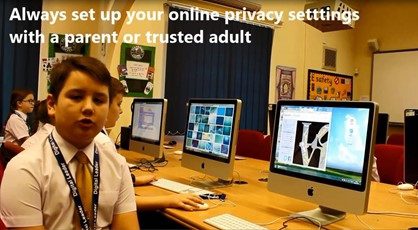
Whether you’re unsure about what happens online or are familiar with new technology, it’s important that you talk to your child about staying safe.

It may feel daunting, but you don’t need to be an expert on the internet. There’s lots of advice and information available.

Short Films Child Exploitation & Online Protection Centre

Online Safety – advice from the NSPCC

Live streaming: responding to the risks – thinkuknow

Cyberbullying – advice from BullyingUK

Sexting – Childnet

Sharing pictures of your children online – thinkuknow

20 ways to protect kids online

Mental and emotional health just means how you are feeling and coping.

Everyone has problems from time to time. Sometimes all you need is to share how you feel with someone you can trust.

There’s lots of advice online and people that you can talk to for support.

Click on the images to find out more:

Safeguarding Pupils

Walking to and from school alone

There are no laws around age or distance of walking to school. A families’ guide to the law states:

“There is no law prohibiting children from being out on their own at any age. It is a matter of judgement for parents to decide when children can play out on their own, walk to the shops or school.”

Parents are legally obliged to ensure their children get to school and attend regularly, but this in itself does not disallow independent travel.

In addition, as a school we have a duty of care for the safety and well-being of our children and therefore this policy is to help advise parents/carers in the decisions they make for their children in relation to safety to and from school. We also have an obligation to alert relevant authorities should we believe a child’s welfare is at risk.

Pupils in Foundation Stage (Nursery & Reception) and KS1 (Years 1 & 2)

Our policy is that pupils in Foundation Stage or Years 1 and 2 should NOT walk to or from school on their own or be left on their own on the school premises either before or after school.

In addition, we will only hand over pupils to named adults or older siblings, in High School or older, who are on the school data formPupils will not be handed over to other adults unless the school has been informed by the parent that they have made this arrangement. We also ask that you keep us informed of any changes in arrangements.  If someone turns up to collect your child and we have not been notified, the adult will have to wait until we have verified his or her identity.

If no one turns up to collect a child in these year groups, they will be kept in school and parents contacted.

If the child is not collected within 45 minutes and we have failed to make contact with the child’s carer, we have a duty of care to refer to social services.

Pupils in Year 3 upwards

We would highly recommend that pupils in Years 3, 4 and 5 are still brought to and collected from school by an adult (person over 18). We also understand that there may be circumstances that prevent parents who work or who have appointments that make it difficult for parents to achieve this every day.

However, the primary driver in making such decisions is always the safety and well-being of our children. Where it is not possible for an adult to bring or collect a child in Years 3, 4 and 5, parents and carers may give consent for this duty to be carried out by an older sibling, providing:

  • They are High School age and over;
  • A parent/ carer judges them to be responsible enough to complete this task safely;
  • The route to school is within a safe walking distance and the parent/carer judges the route safe;
  • The older sibling and the child are going straight home.

If your child is attending an extra- curricular activities, then we request that all children attending these sessions are collected by an adult on time. Failure to collect children punctually from these activities could lead to activities being withdrawn.

Pupils in Year 6

For pupils in Year 6, we believe that if children live within walking distance to school and are able to walk a safe route then you as parents need to decide whether your child is ready for the responsibility of walking to and from school alone.

In deciding whether your child is ready to walk to school you should assess any risks associated with the route to school and assess your child’s confidence.  There are many ways you can prepare your child to make an independent journey.   One way is to follow them a few times on their journey, so you know how safe and sensible they are.    It is also strongly advised that children who are walking without an adult or older sibling, have a cheap mobile phone that they are able to use if they need help.   All mobile phones brought into school need to be handed into the class teacher immediately on arrival at school and will be handed out at hometime.

When deciding whether your child is ready for the responsibility of walking to and/or from home you might want to consider the following:

  1. Do you trust them to walk straight to school or straight home, using the agreed safe route?
  2. Are there roads to cross on the route and how busy/safe are those roads?
  3. Do you trust them to behave sensibly when with a friend or group of friends?
  4. Are they road safety aware?
  5. Would they know what to do if a stranger approaches them?
  6. Would they know what to do if they needed help?
  7. Do they understand about keeping themselves safe and not to make any dangerous choices, either by themselves or with a group of friends?

If you decide that your Y6 child is ready for this responsibility, please complete the form, available at the office.

Playing video games is an activity which many children and adults enjoy, and can provide experiences that families can share. Many parents may feel assured that their children are not at risk of harm because they are at home enjoying playing games, but this may not necessarily be the case.

With the interconnectedness of video games systems, social media and other platforms today, children and young people may be exposed to numerous risks including:

• Cyberbullying
• Trolling, griefing and scams
• Seeing age inappropriate content
• Privacy problems and personal information stored on machines
• Webcam hacking
• Online predators
• Hidden fees and online spending
• Social engineering intended on exploiting children and young people or exposing them to radicalised information
• Malware

As a parent you may feel that you are not technically minded and don’t fully understand the dangers or how you can protect your children. Banning children from using technology may feel an effective way of preventing the problem, but this can put them at a disadvantage from an educational point of view and potentially socially isolate your child(ren) from their friends. However, there are simple steps you can take to help protect your child while using technology.

The top tips for keeping your children safe online

  1. Establish a positive relationship with them around their online life – talk to them regularly about what they are doing online and discuss their experiences
  2. Talk them about who they are talking to, do they know them in real life?
  3. Establish rules with them about what they can and cannot share online – talk to your child(ren) to think about what they are sharing and they are sharing information with
  4. Establish rules with them such as how long you child(ren) can use games consoles, PCs or other internet enabled devices. Make rules together about what they can and cannot do on devices and what webpages, games and media they can access.
  5. Explain the worries you might have about what they are doing or something you have read or heard about – most children will understand your concerns.
  6. Do your research, many games console manufacturers and game developers have specific pages to help parents understand the risks and have controls they can use to protect their child(ren)
  7. Make sure they know they can come to you or an identified trusted adult if they see something that upsets or worries them
  8. Have a family agreement about rules you are all comfortable with and agree to follow
  9. Set up parental controls on your devices (see below for where you can get help on this)
  10. Report any concerns you or your children have (see below for who to report your concerns to)

Privacy Settings

Privacy settings on any computer system are really important to help keep both you and your child(ren) safe and your personal information secure, and only available to the people you want to know it.

Privacy settings are controls available on many websites and apps (for example Facebook, WhatsApp, Xbox, PlayStation Network and others) to limit who can access your profile and what information visitors can see.

Details of how to use privacy settings are available from ThinkuUKnow:

www.thinkuknow.co.uk/parents/articles/a-parents-guide-to-privacy-settings/

Parental Controls

The parental controls on internet connected devices will vary from system to system.  As well as games consoles, many websites such as Roblox, Discord, Fortnite, and Twitch have their own parental controls you can access.  InternetMatters.Org have an excellent collection of step by step guides to help parents set up parental controls for many platforms including:

  • Discord
  • Fortnite
  • Mincraft
  • Ninetndo DS, 3DS, Wii, WiiU and Switch,
  • Roblox
  • Playstation 3,  4 and Vita
  • Pokemon Go
  • Steam
  • Twitch
  • Xbox 360 and Xbox One

For more information visit:

Gaming consoles and platforms

  • If you have the newer PlayStation 5 then you can visit the Sony Playstation website here
  • If you have the newer Xbox Series S/X please visit the Microsoft website here.

To help you manage your children’s gaming activities on Windows and Xbox, Microsoft have also developed a mobile phone app for use on iOS and Android, please visit this site here for more information.

PCs by their very nature are much more diverse than games consoles.  Windows is the most common operating system and comes with a variety of parental, privacy controls and anti-malware built in. For more information visit the Microsoft Support page here.

As well as the built in software you can also download other software to protect your PC and family from companies like McAfee, Norton and Kaspersky to name just a few.

To protect your children on their smartphones and other devices such as Amazon Echo, Sky Q and SONOS, etc, InternetMatters.Org have a number of useful guides which are available from:

Smartphones and other devices

The NSPCC have also produced a large range of resources dedicated to explaining the most popular games, apps and social media websites used by children and young people. For more information please visit:

Who can I contact?

If your child is in immediate danger call the police on 999.

If you child has suffered bullying online contact Childline on 0800 1111 or visit https://www.childline.org.uk/get-support/.

If someone has asked for nude photos of your child or your child have shared nude pictures of themselves, someone is asking to meeting face to face, someone is always talking to your child about sex and it made them feel uncomfortable or someone keeps trying to talk to your child privately you can contact the Child Exploitation and Online Protection Agency by visiting https://www.ceop.police.uk/ceop-reporting/.

If you believe a crime has been committed but nobody is in immediate danger contact the police on 111.

If you have any other safeguarding concerns, contact:

Below is a list of links to NSPCC leaflets which offer advice and guidance for parents.

Is my child ready to go out alone?

https://learning.nspcc.org.uk/media/1103/out-alone-keeping-child-safe.pdf

Is my child ready to be left alone?

https://learning.nspcc.org.uk/media/1110/home-alone-guide-keeping-child-safe.pdf

Look, Say, Sing and Play to build your baby’s brain every day

https://learning.nspcc.org.uk/media/1650/look-say-sing-play-leaflet.pdf

The Talk Pants Guide for Parents

https://www.nspcc.org.uk/globalassets/documents/advice-and-info/pants/pants-2018/pants-parents-guide-online.pdf

Positive Parenting

https://learning.nspcc.org.uk/media/1195/positive-parenting.pdf

A parents’ guide to being Share Aware – Helping you to keep your child safe online

https://learning.nspcc.org.uk/media/1489/share-aware-parents-guide.pdf

Other helpful resources and websites for parents including the following topics can be found by clicking the relevant hyperlink or the general link below. Some topics may also be applicable to parents with children in secondary school.

General Link:

https://learning.nspcc.org.uk/research-resources/leaflets/parent-leaflets?utm_source=adestra&utm_medium=email&utm_campaign=AZ3805*&utm_content=Welcome_Journey_Parents+SchoolEarlyYears+Oct20&ac=

Good Practice Supporting the Voice of the Child – GM guidance on enabling children to feel respected, to have their views heard, to have stable relationships with practitioners built on trust and to have consistent support provided for their individual needs.

Voice of the Child Guidance and Resource Toolkit

Voice of the Child – Supervision Questions

Voice of the Child – Resources for Practitioners

There are a range of free tools that can be used to capture the feelings, thoughts and views of a child and young person. There are different tools appropriate for children or young people of different ages, level of need or understanding. There are no factors including age, understanding or level of need that should be a barrier to capturing the views of a child or young person.

Examples of Tools:

For further information about each of the tools listed, click here.

Click on the link below to read the NSPCC Home Alone guide. It provides clear advice to help you decide when it’s safe for your child to be home on their own, and what you can do if they’re too young.

NSPCC Keeping Children Safe At Home